BWL Competitions – How they work
Weightlifting and Para powerlifting are one of the ultimate tests of strength, power and skill. Competitions are where athletes put their training into practice, challenge themselves against others and experience the excitement of performing on the platform. Whether you're preparing for your first competition or working towards a national championship, this guide explains everything you need to know before competing.
Competition Tiers
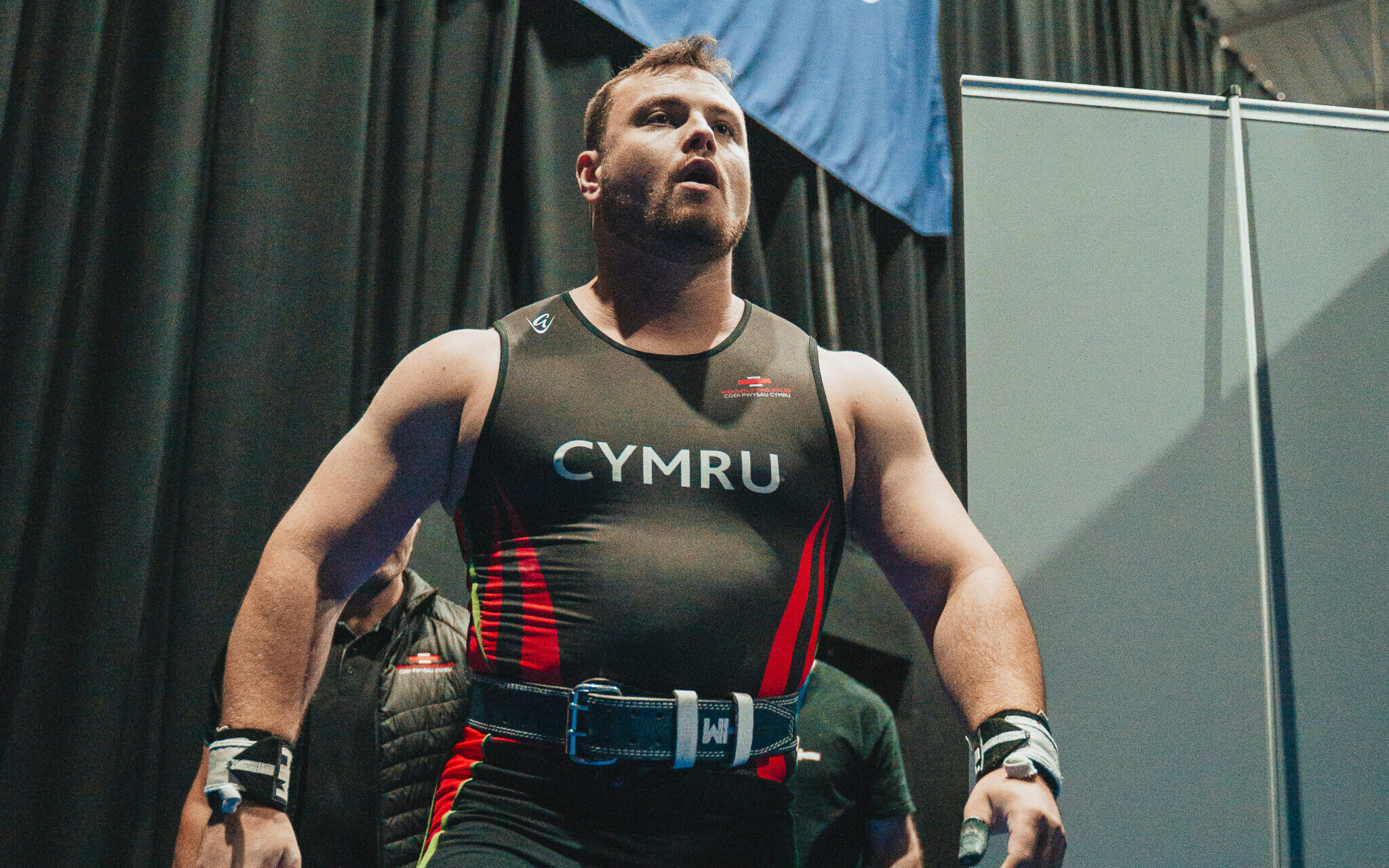
British Weight Lifting competitions are organised across four tiers, providing opportunities for athletes of all abilities and experience levels.
Tier 1: British Championships
The British Championships are the highest level of domestic competition in the UK. Athletes from across the country compete for British titles and the opportunity to perform against the nation’s best weightlifters and para powerlifters.
Entry is by qualification only, with athletes required to achieve the relevant qualification standard at an eligible competition.
Tier 2: Home Nation Championships
Home Nation Championships are delivered by the governing bodies in England, Scotland, Wales and Northern Ireland.
Each competition has its own eligibility and qualification requirements. For example, the English Championships are open to athletes who meet the relevant qualification standard and eligibility criteria.
Tier 3: Club Competitions
Tier 3 competitions are typically organised by British Weight Lifting-affiliated clubs and provide official qualification opportunities.
Suitable for both new and experienced athletes, these events allow lifters to gain competition experience, achieve qualification totals and earn a place on the national rankings.
Tier 4: Hybrid Lifting Events
Tier 4 competitions offer an alternative competition format and may include weightlifting derivatives or other strength-based movements.
These events are designed to be accessible and welcoming to a wide range of participants. Results do not count towards British Weight Lifting rankings.
The Weigh-In
Every competition begins with a weigh-in.
During the weigh-in, athletes confirm their bodyweight category and declare their opening attempts in both the snatch and clean and jerk.
Weight Categories
| Men’s Categories | Women’s Categories |
|---|---|
| 60kg | 49kg |
| 65kg | 53kg |
| 70kg | 57kg |
| 75kg | 61kg |
| 85kg | 69kg |
| 95kg | 77kg |
| 110kg | 86kg |
| 110kg+ | 86kg+ |
Competition Kit
For your first competition, specialist weightlifting clothing isn’t always required.
At many Tier 3 competitions, athletes can compete in shorts and a t-shirt.
For Tier 1 and Tier 2 competitions, athletes must wear a weightlifting singlet that complies with BWL Technical and Competition Rules and Regulations.
The singlet must:
- Be a single piece garment
- Be collarless
- Not cover the elbows
- Not cover the knees
- Be appropriate for competition use
For full requirements, please refer to the Technical and Competition Rules and Regulations.
Competition Format
Athletes receive:
- Three snatch attempts
- Three clean and jerk attempts
The snatch takes place first, followed by the clean and jerk after a short interval.
Athletes attempt lifts in order of weight, starting with the lightest declared weight.
Following each attempt, athletes must declare their next weight. Any increase must be at least 1kg.
Athletes typically have:
- 1 minute to begin a lift
- 2 minutes if taking consecutive attempts
The aim is simple: record the highest possible total from your best successful snatch and clean and jerk.
Judging
Every lift is judged by three referees.
After each attempt, referees award:
⚪ Good Lift
🔴 No Lift
A majority decision determines the outcome.
For example, if two referees award a white light and one awards a red light, the lift is successful.
Referees assess lifts using the British Weight Lifting Technical and Competition Rules and Regulations.
Scoring and Results
An athlete’s total is calculated by combining:
Best Snatch + Best Clean and Jerk = Competition Total
The athlete with the highest total wins.
If athletes finish on the same total, tie-break procedures are applied in accordance with competition rules.
Qualification Totals
To enter Tier 1 and Tier 2 competitions, athletes must achieve the required qualification standard.
Qualification totals must be achieved in the same bodyweight category used when entering the competition.
For example, a qualification total achieved in the Women’s 71kg category can only be used to enter the Women’s 71kg category.
Current qualification standards can be found on the relevant event pages.
Eligible Qualification Events
Qualification totals can be achieved at:
- British Weight Lifting Tier 1, Tier 2 and Tier 3 competitions
- International Weightlifting Federation (IWF) competitions
- European Weightlifting Federation (EWF) competitions
- National Championships recognised by the IWF
- Other competitions approved by British Weight Lifting
Next Steps
Ready to step onto the platform?
Whether you’re entering your first competition or aiming for a national championship, our competition calendar is the best place to find upcoming events.
Explore the Competition Calendar and find your next challenge.

Stay strong,
stay connected
Our latest updates
Building an Accessible Para Powerlifting Pathway Across Great Britain
BWL Congratulates Newly Elected IWF Athletes’ Commission Members

BWL Welcomes New Chair of UK Armed Forces Weightlifting

Matt Harding Announces Retirement from the British Weight Lifting World Class Programme

BWL and World Refugee Team Compete 2026 IWF World Championships
British Weight Lifting Announces Team for the 2026 World Para Powerlifting Championships
BWL and Eleiko Strengthen Ties in New Four-Year Agreement
BWL Welcomes IWF Constitutional Amendment
Great Britain Set for the 2026 IWF World Championships
Join us and Find your strong
Lorem ipsum dolor sit amet, consectetur adipiscing elit. Pellentesque erat neque, vehicula sit amet posuere a, facilisis sit amet magna. Proin molestie libero nisi, sed maximus felis tempus id.
Become a member