Start Para Powerlifting
Whether it’s at home or in the gym, para-powerlifting offers something for anyone who wants to get under a barbell.
Learn
The History of Para Powerlifting
After its debut as weightlifting in the Tokyo 1964 Paralympic games, the sport (now known as powerlifting since the 1992 Barcelona Paralympic games), expanded from just male athletes with spinal cord injuries to now including athletes of all genders with physical impairments that affect their lower limbs or hips and athletes with short stature. Para Powerlifters are split into 10 different categories based on bodyweight for each gender in competition.
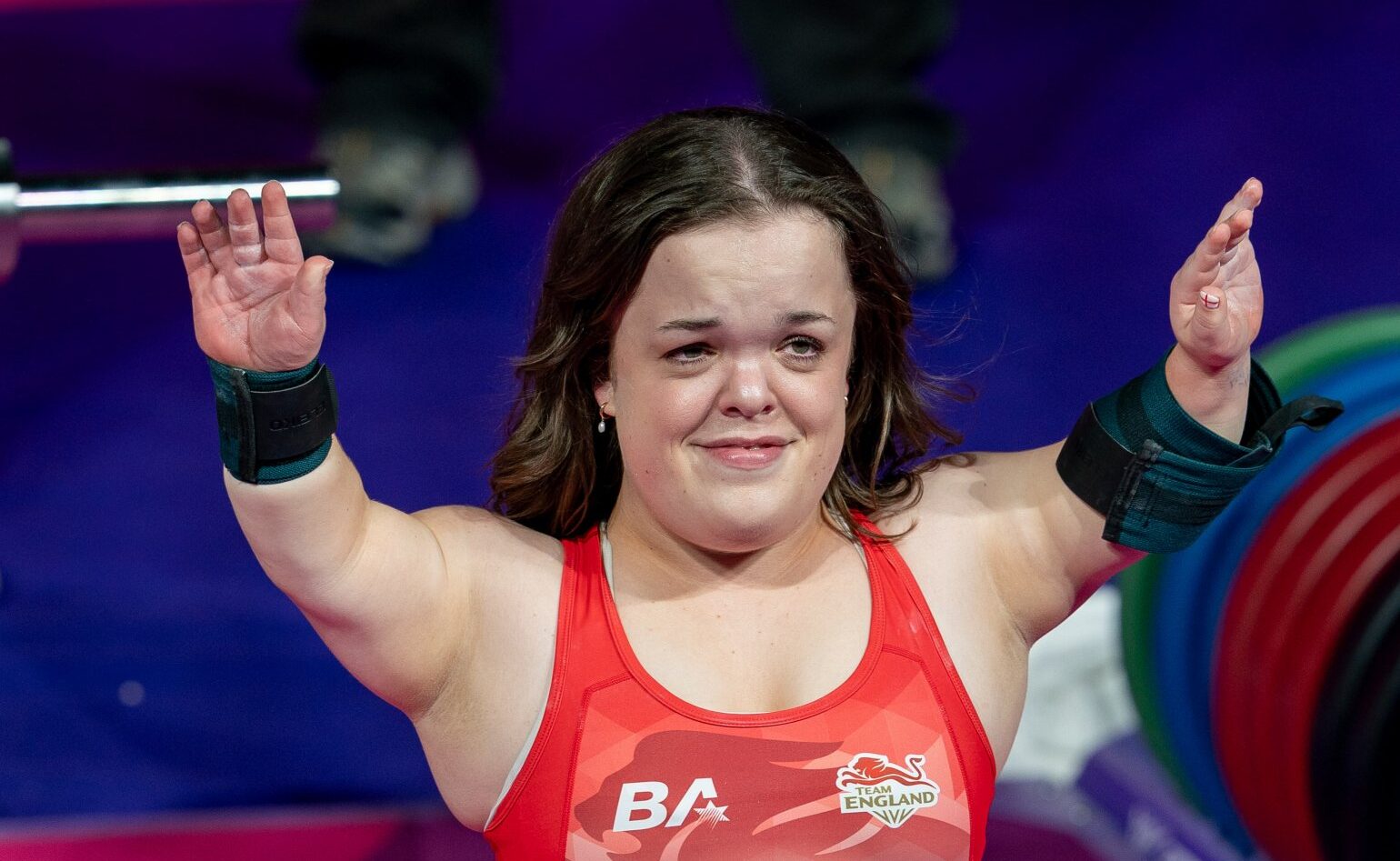
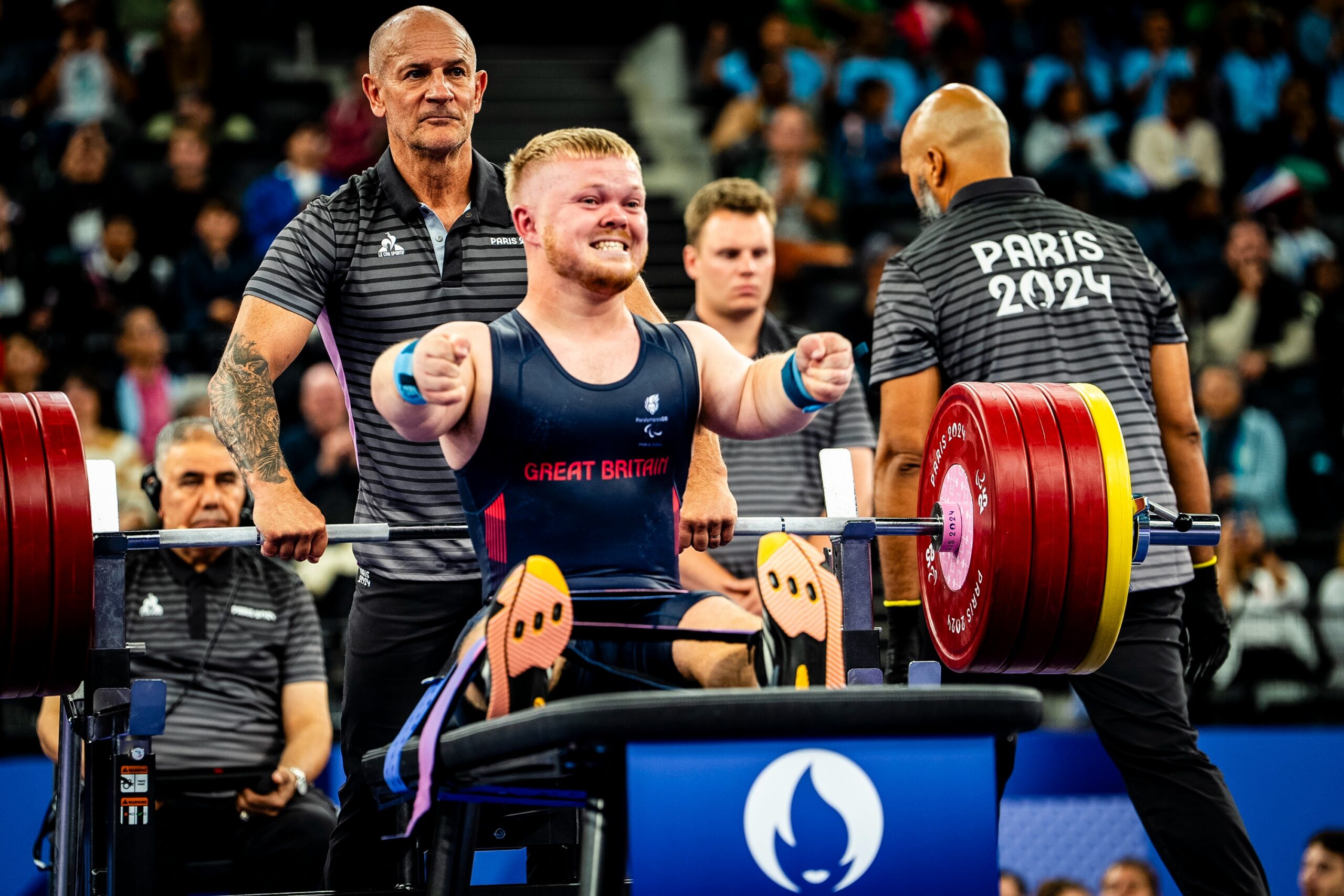
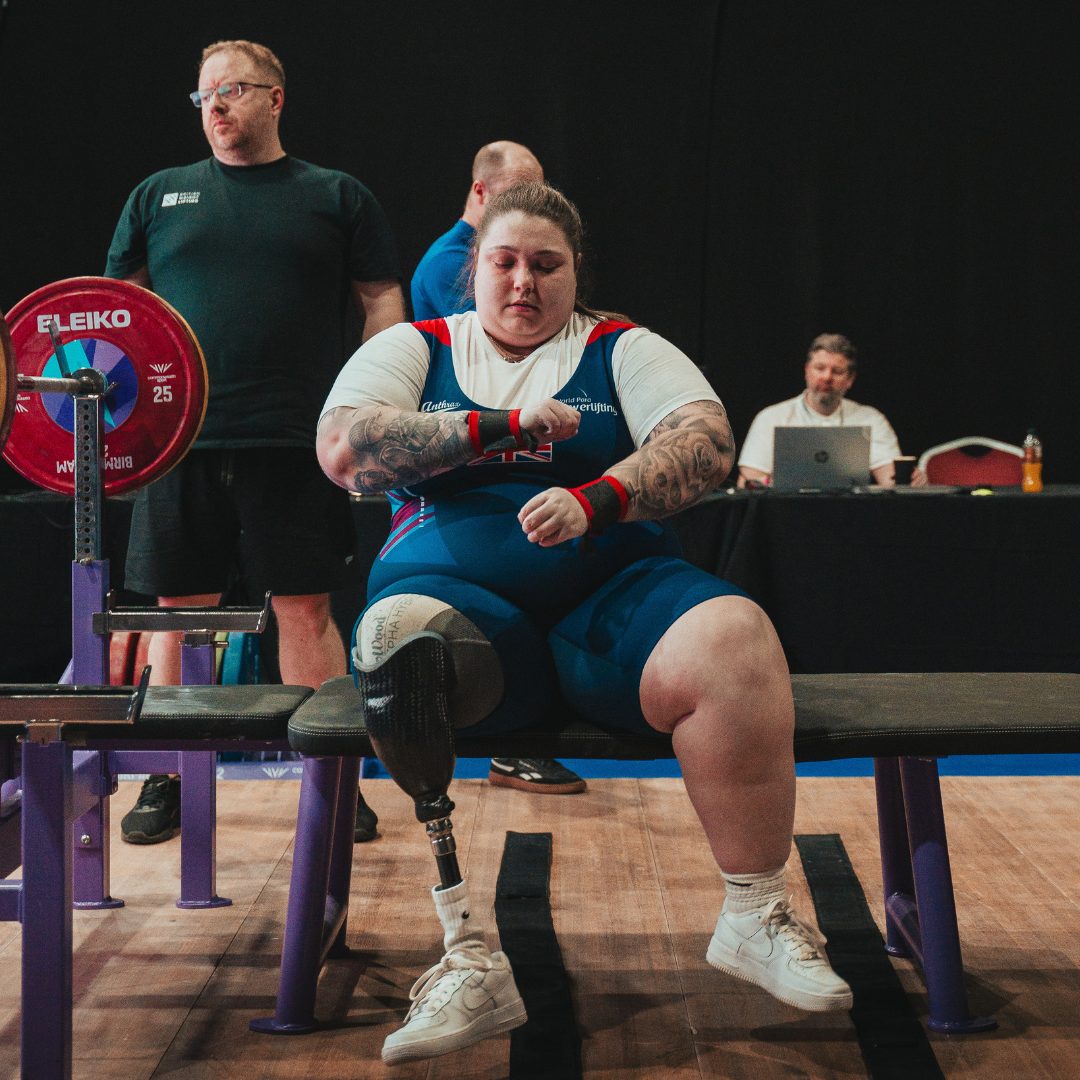
Our Para Powerlifters have won 35 medals at Paralympic games since its debut and these consist of: 8 gold, 12 silver and 15 bronze.
About
Para Powerlifting
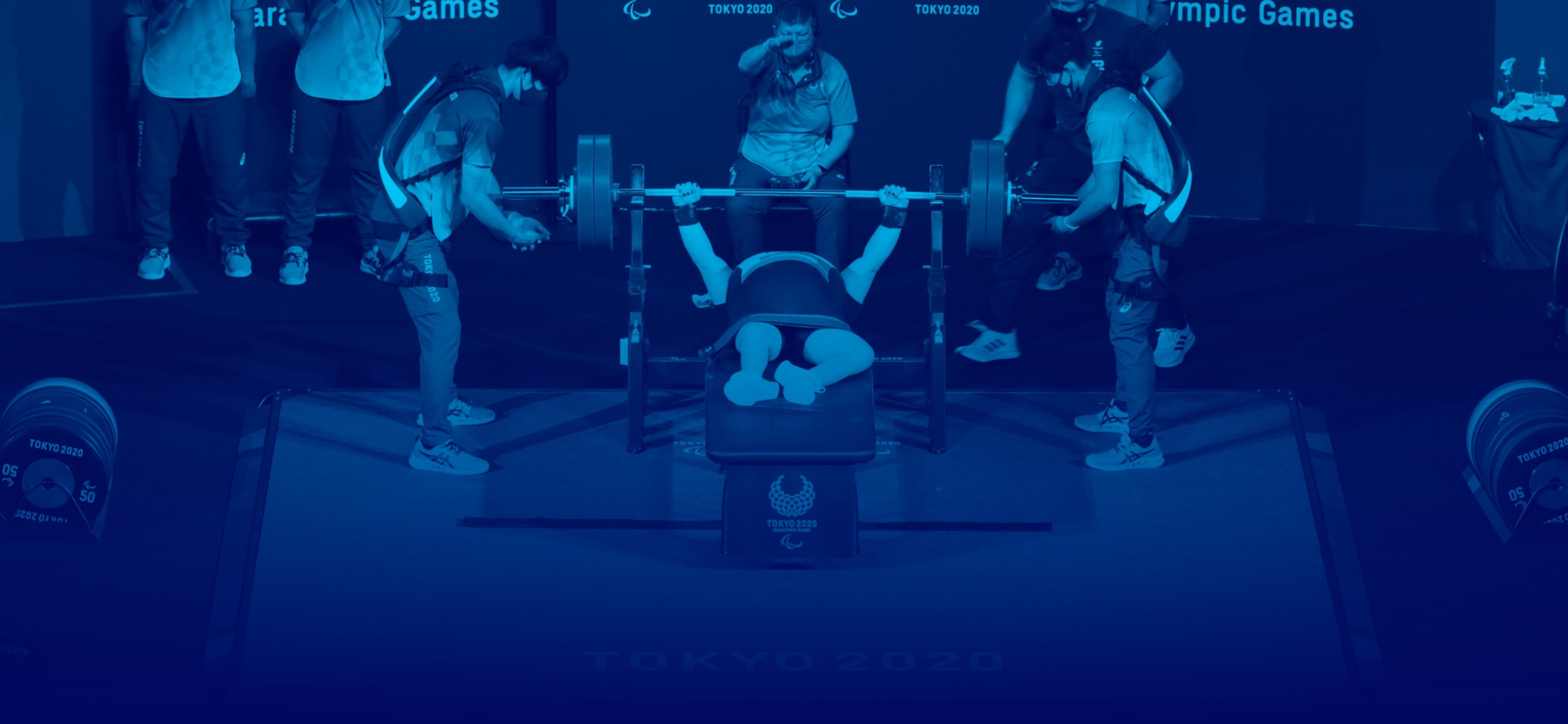
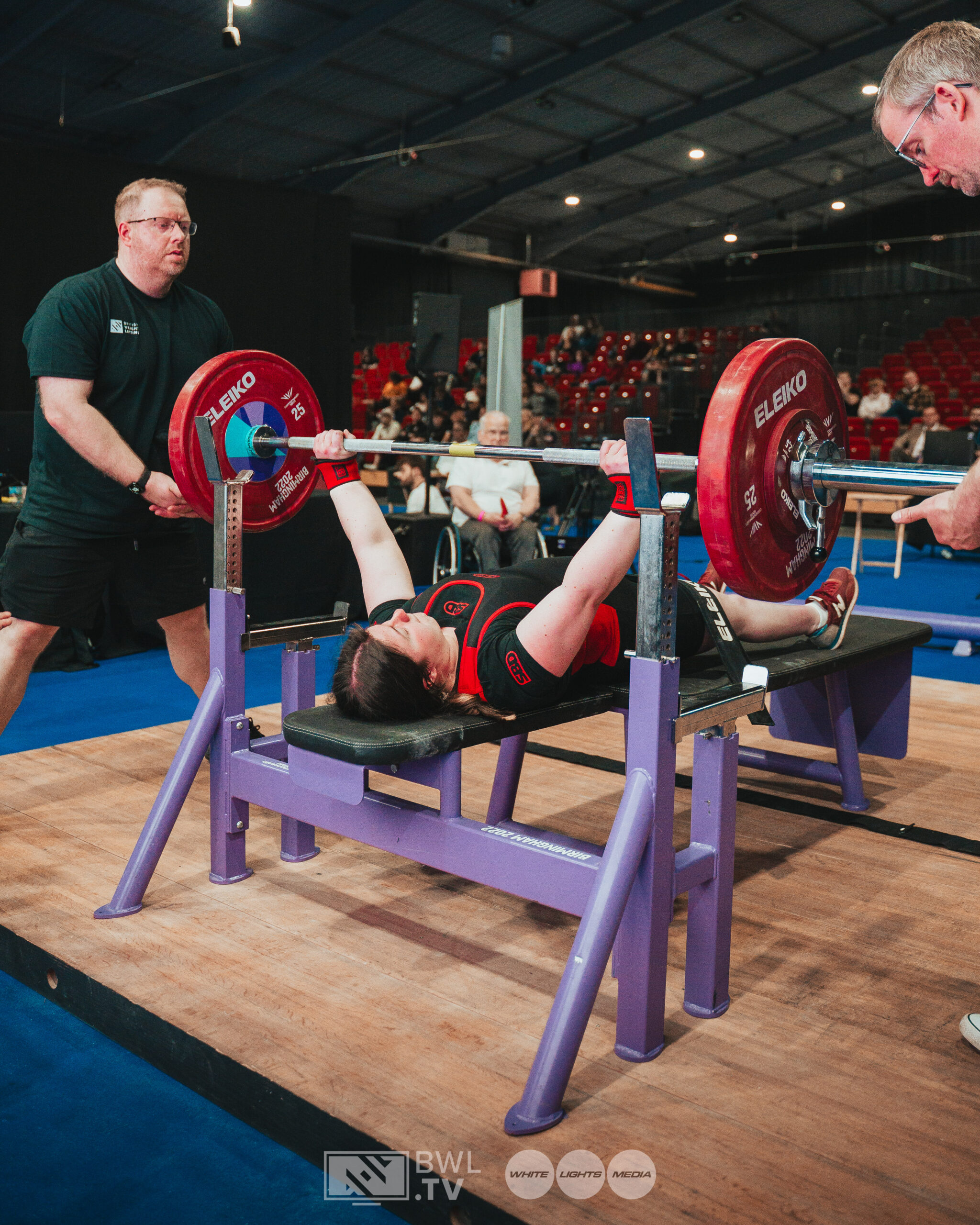
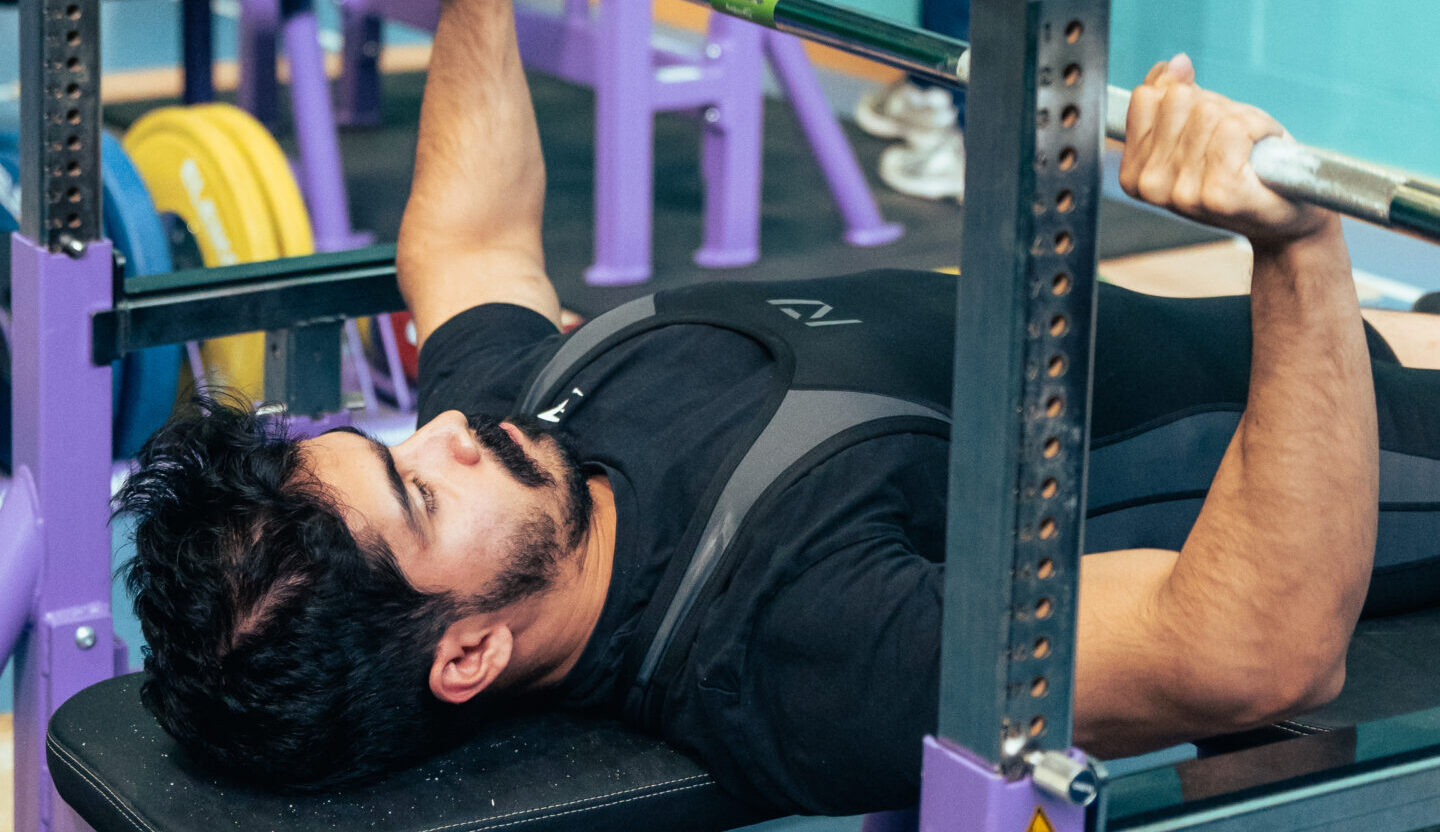
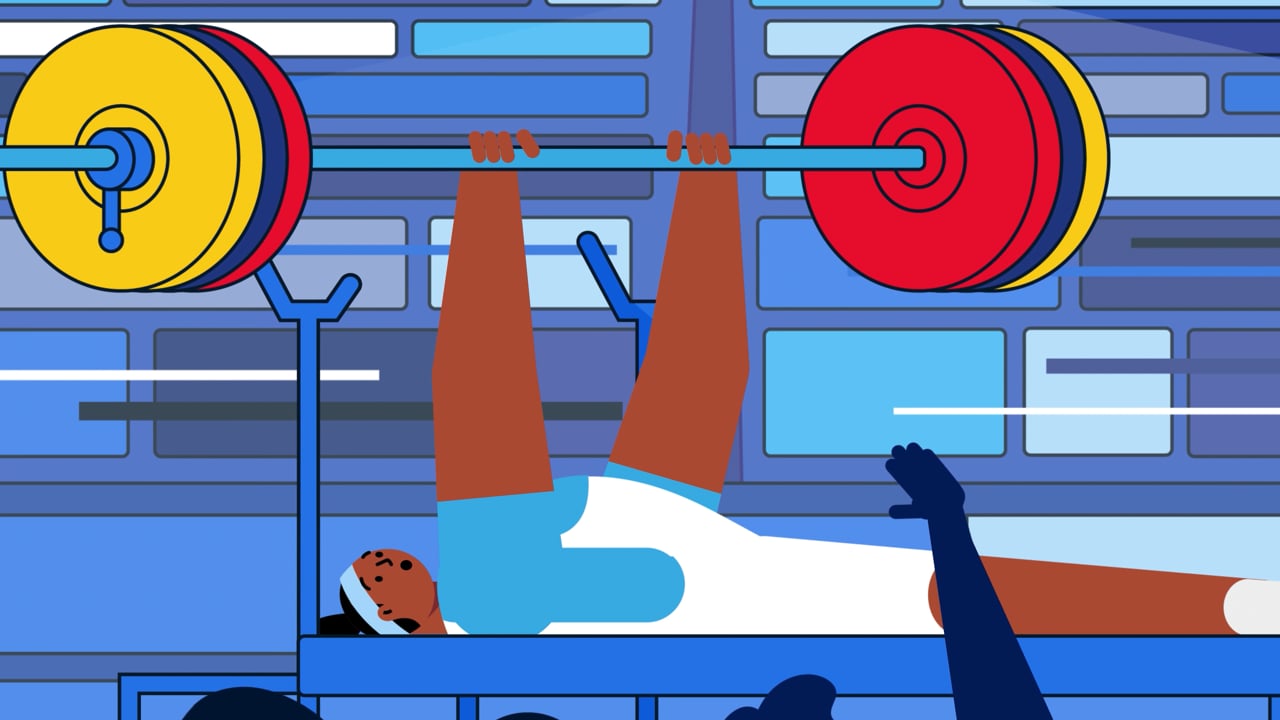
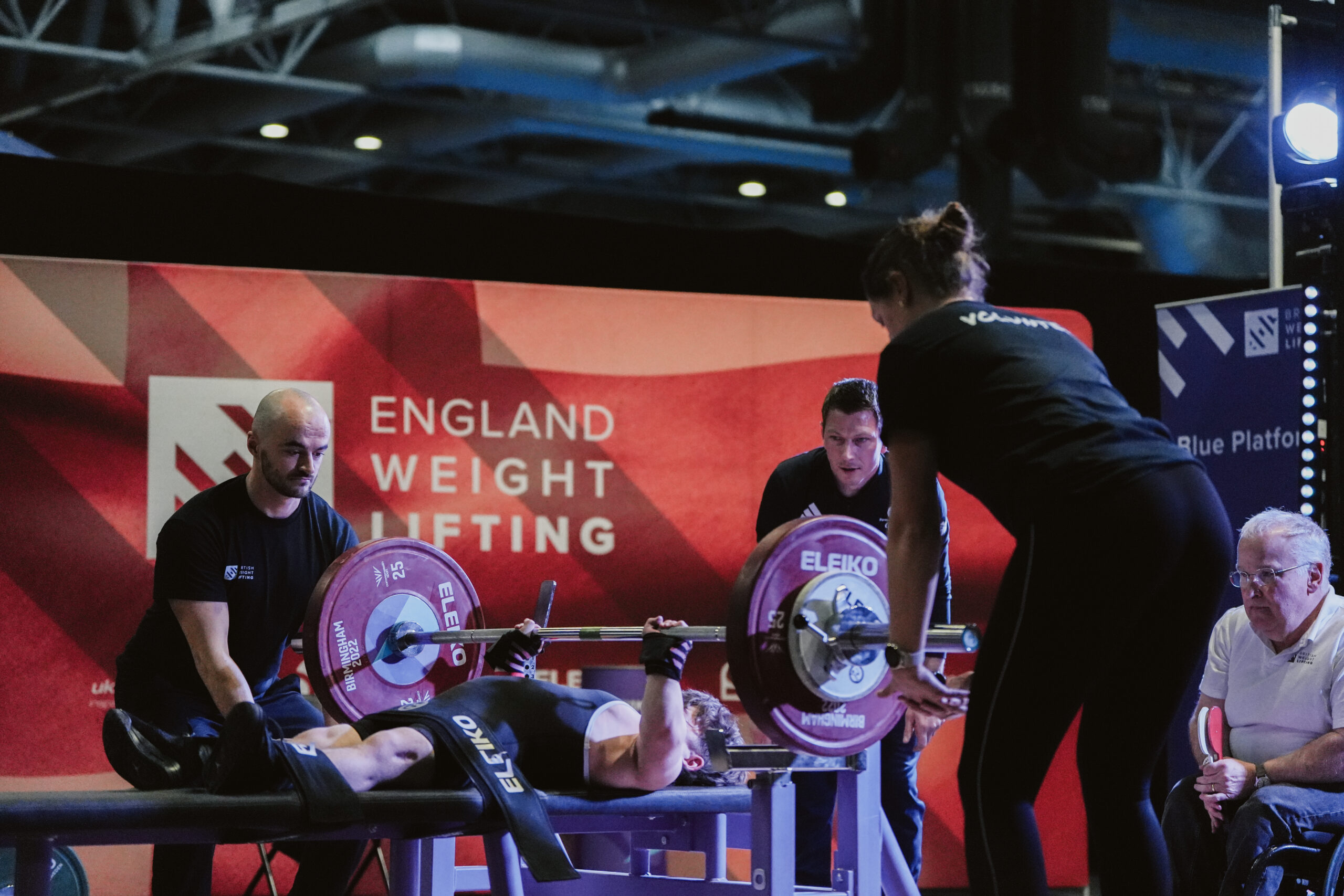
Para Powerlifting is a sport that focuses on the bench press movement. Paralympic athletes lie totally flat with their feet supported on a specially adapted bench. To perform the movement, the athlete must lower the bar to the chest, pause the bar while keeping it motionless, then push the bar up upwards to arms length with locked elbows.
Classification
To ensure competition is fair and equal, all Paralympic sports have a system in place which ensures that winning is determined by skill, fitness, power, endurance, tactical ability and mental focus, the same factors that account for success in sport for non-adaptive athletes. This process is called ‘classification’ and its purpose is to minimise the impact of impairments on the activity.
Classification is an assessment process that determines which athletes are eligible to compete in any given Paralympic sport according to that sport’s specific rules and regulations. This process confirms that a presented impairment is aligned with the medical diagnostic information submitted and meets the minimum impairment criteria outlined in the World Para Powerlifting Classification rules and regulations. BWL facilitate two main pathways which National Classification influences your eligibility for: National and International representation or National representation only.
Para Powerlifting is open to athletes that meet one or more of eight eligible physical impairments.
Once you have read and understood the classification powerpoint, please complete and send the IPC Medical Diagnostic Form and the IPC Athlete Eligibility Agreement Form to enquiries@britishweightlifting.org. If you have any questions regarding this, please reach out!
Para Powerlifting Competitions
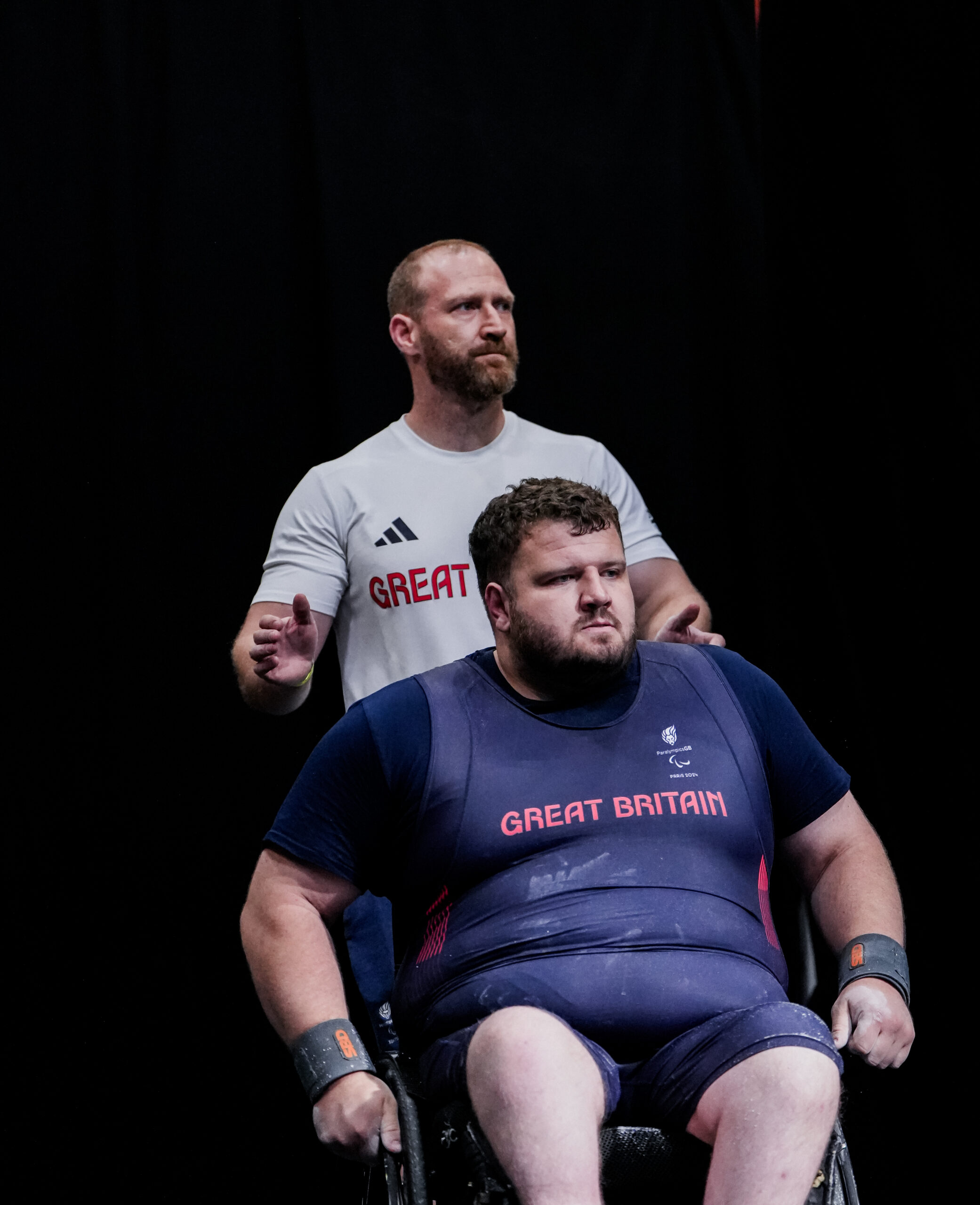
In Para Powerlifting, athletes compete as individuals and are grouped in competition based on their bodyweight and by gender. To be eligible to compete, athletes must have a BWL membership.
These are the are 10 bodyweight categories for the male and female groups:
- Men compete in the 49kg, 54kg, 59kg, 65kg, 72kg, 80kg, 88kg, 97kg, 107kg and +107kg divisions.
- Women compete in the 41kg, 45kg, 50kg, 55kg, 61kg, 67kg, 73kg, 79kg, 86kg and +86kgdivisions.
There are 3 stages to a competition day:
- Kit check and weigh in
- Warm up
- Competition
During kit check and weigh in, athletes will have their equipment and kit examined to ensure it fits the eligibility criteria outlined by World Para Powerlifting.Here you will also present documentation to prove your identity and impairment. After this, you will be sent to weigh in which is the official process to verify the athletes final bodyweight to confirm that the athlete is within the necessary parameters to compete within their selected bodyweight category. Then you will warm up and compete.
During competition, athletes get three attempts to compete. There are three referees and each one gives either a white light for a good lift or a red light for a no lift. At least two white lights are required from the three referees to have a good lift. The winner is the athlete who lifts the heaviest weight in their weight category.
Equipment
Adapted Bench
Athletes compete lying on an official World Para Powerlifting approved bench .
Lifting Suit
To compete in competitions, athletes are required to wear a lifting suit. These suits are form fitting, they allow the judges to evaluate form and movement more clearly.
Wrist wraps – optional but advised
Wrist wraps are used to keep your wrist in a neutral position to aid stability during the bench press. This will also help increase how much force you can exert into the barbell during the movement and will reduce the risk of injury.
Bench Straps
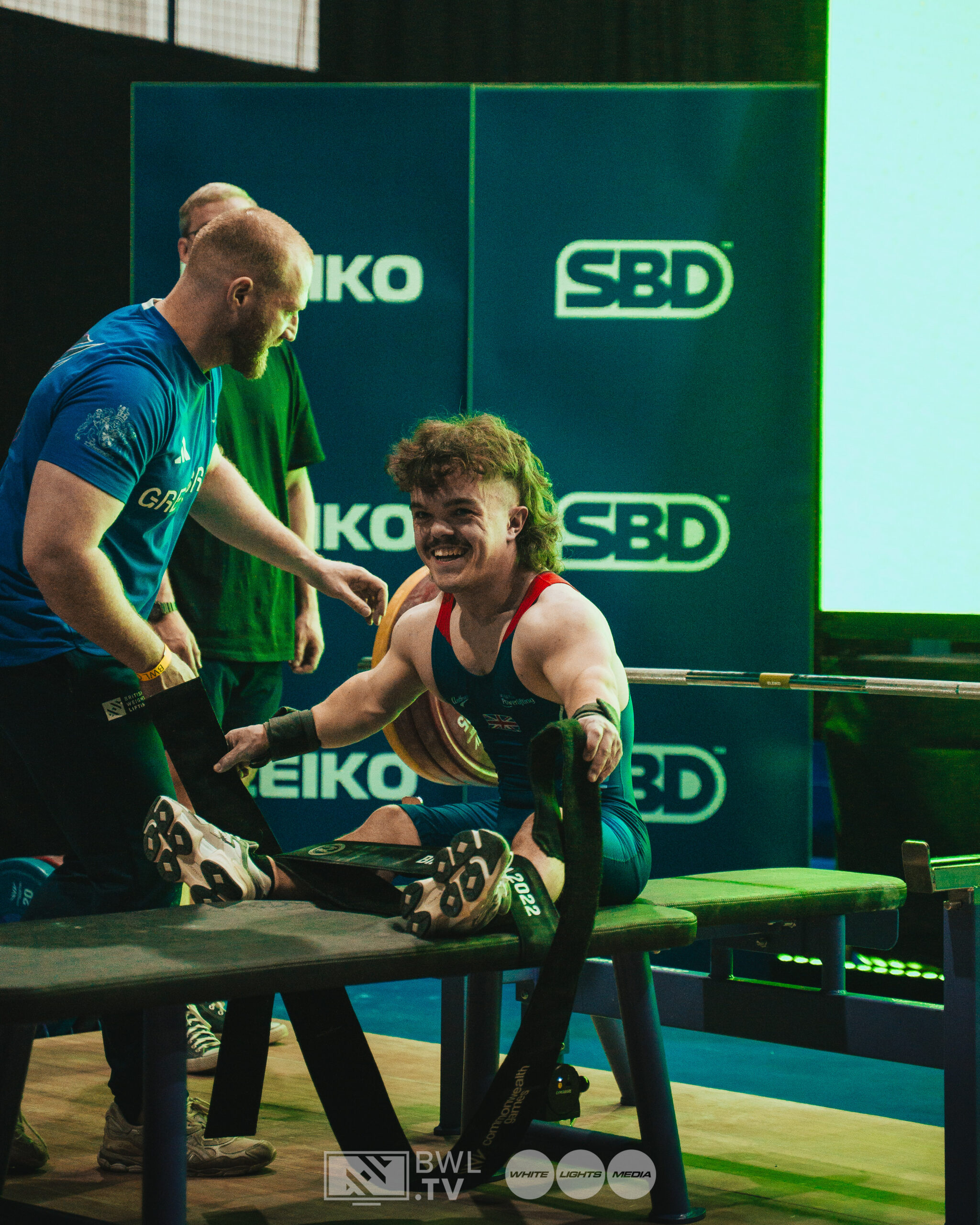
Bench straps are used to secure the lower limbs and hips onto the bench to improve stability during the bench press. You can contact the company via the link here and they will make one.
Join us and Find your strong
Become a British Weight Lifting member and be part of a community that’s passionate about getting stronger. Whether you lift for fun, fitness or competition, membership connects you with opportunities to develop your skills, access exclusive benefits and take your lifting journey further.
Become a member